Introduction: The End of an Era
Few anime have influenced modern entertainment as profoundly as Attack on Titan. What began in 2013 as a brutal survival story about giant man-eating Titans evolved into one of the most ambitious narratives ever written in Japanese animation.
More than a decade later, the series has officially reached its conclusion, yet discussions surrounding its ending remain stronger than ever. Scroll through Reddit, X, YouTube, or anime forums in 2026, and you’ll still find fans passionately debating Eren Yeager’s choices, the symbolism behind the finale, and whether humanity was ever truly free.
Unlike many long-running anime that gradually lose momentum, Attack on Titan consistently raised the stakes. Every season introduced larger mysteries, deeper political conflicts, and emotional character development that challenged viewers’ expectations.
By the time the Final Season arrived, the series had transformed from a story about monsters outside the walls into a philosophical examination of hatred, nationalism, sacrifice, and the never-ending cycle of violence.
This dramatic evolution is one of the biggest reasons Attack on Titan continues to be recommended to new anime fans in 2026.
How Attack on Titan Changed Anime Forever
When Hajime Isayama first introduced readers to Attack on Titan, few could have predicted the cultural phenomenon it would become. The anime didn’t simply become popular—it fundamentally changed audience expectations.
Before Attack on Titan, mainstream anime often relied on predictable heroes and straightforward conflicts. Isayama challenged those conventions by presenting a world where nobody was truly safe. Major characters died unexpectedly. Heroes became villains. Villains became sympathetic. Every revelation forced viewers to question everything they believed. This constant unpredictability made every episode feel like an event.
The series also proved that anime could compete with Hollywood-level storytelling. Its intricate world-building, political intrigue, and morally gray characters attracted millions of viewers who had never watched anime before. Today, many modern hits such as Jujutsu Kaisen, Chainsaw Man, and even darker fantasy series owe part of their global popularity to the audience Attack on Titan helped create.
A Story About Freedom
Although Titans dominated the marketing, Attack on Titan was never truly about giant monsters. Instead, it explored one timeless question: What does it actually mean to be free?
Every major character answered that question differently:
- For Armin, freedom meant discovering the world beyond the sea.
- For Mikasa, freedom meant protecting the people she loved.
- For Erwin, freedom meant uncovering the truth hidden behind generations of lies.
- For Eren… freedom became something much darker.
Throughout the Final Season, Eren abandons the idealistic optimism that defined him as a child. Rather than becoming humanity’s greatest hero, he embraces the role of its greatest enemy. This transformation shocked audiences worldwide because it felt both horrifying and strangely inevitable.
Looking back, the clues had always been there: the rage, the obsession, the refusal to accept fate. Every painful experience pushed Eren toward becoming exactly the person he once vowed to destroy. Rather than presenting a traditional hero’s journey, Attack on Titan asks whether absolute freedom can ever exist without destroying someone else’s. That question remains one of the anime’s greatest strengths.
Eren Yeager’s Transformation: Hero, Villain, or Tragic Victim?
Perhaps no anime protagonist has undergone a more controversial evolution than Eren Yeager.
At the beginning of the series, he was driven by a simple dream: destroy every Titan, protect humanity, and explore the outside world. By the Final Season, those dreams had transformed into something almost unrecognizable. Armed with the power of the Founding Titan and burdened by visions of the future, Eren believed every choice had already been made.
His decision to unleash the Rumbling wasn’t portrayed as an act of pure evil. Nor was it celebrated as heroism. Instead, it became the tragic conclusion of a boy who believed sacrificing himself—and countless innocent lives—was the only way to secure freedom for the people he loved.
This moral ambiguity is exactly why fans continue debating the ending years later. Was Eren a monster? A martyr? A prisoner of fate? Or simply a deeply broken human being forced into impossible circumstances? Attack on Titan never offers an easy answer. Instead, it challenges viewers to decide for themselves.
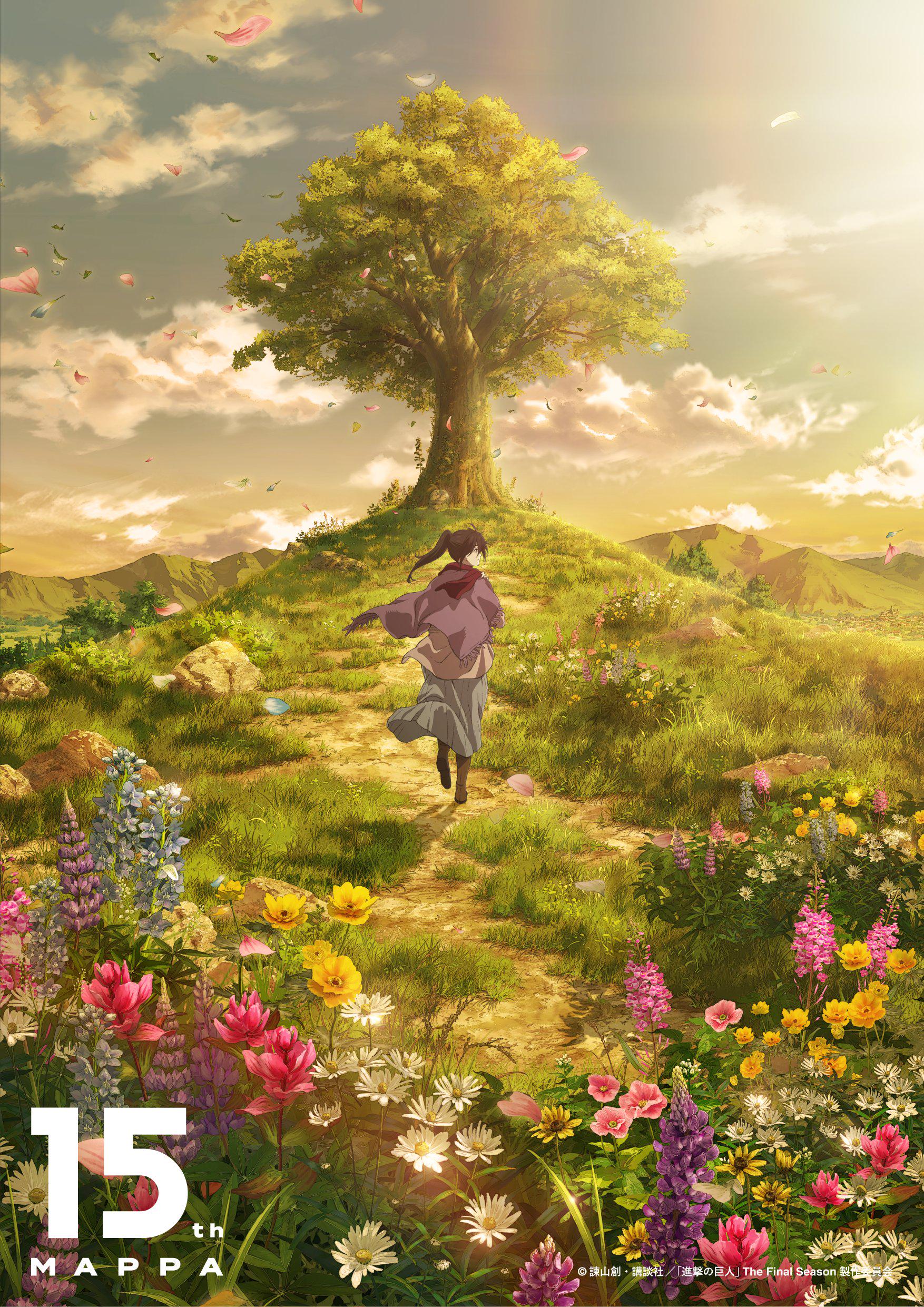
MAPPA’s Visual Spectacle: Raising the Bar for Television Anime
Taking over one of anime’s most beloved franchises was never going to be easy. When MAPPA replaced Wit Studio for the Final Season, fans were understandably nervous. Wit Studio had delivered some of the most iconic action sequences in anime history, and expectations were sky-high.
Rather than copying its predecessor, MAPPA established its own identity. The studio embraced darker lighting, more cinematic camera work, richer textures, and smoother CGI integration for the Titans. While early episodes sparked debate, the production quality steadily improved, culminating in breathtaking battles that rivaled theatrical films.
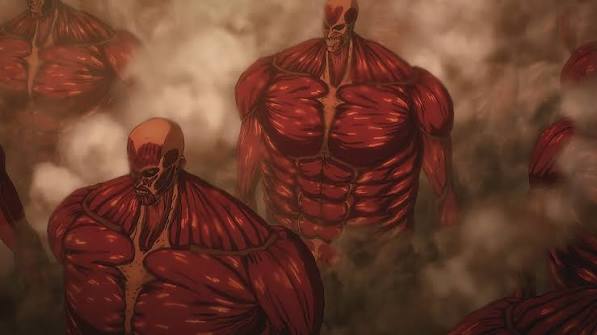
Scenes involving the Founding Titan, the Rumbling, and the final confrontation showcased remarkable attention to detail. Every explosion, transformation, and emotional close-up reflected the immense effort of the animation team.
Equally impressive was the soundtrack. Hiroyuki Sawano returned alongside Kohta Yamamoto, blending orchestral scores with haunting vocals that elevated every major moment. Even without dialogue, the music conveyed despair, hope, determination, and tragedy.
By the end of the series, many critics agreed that MAPPA had delivered one of the most visually ambitious productions in modern television anime.
The Rumbling Explained
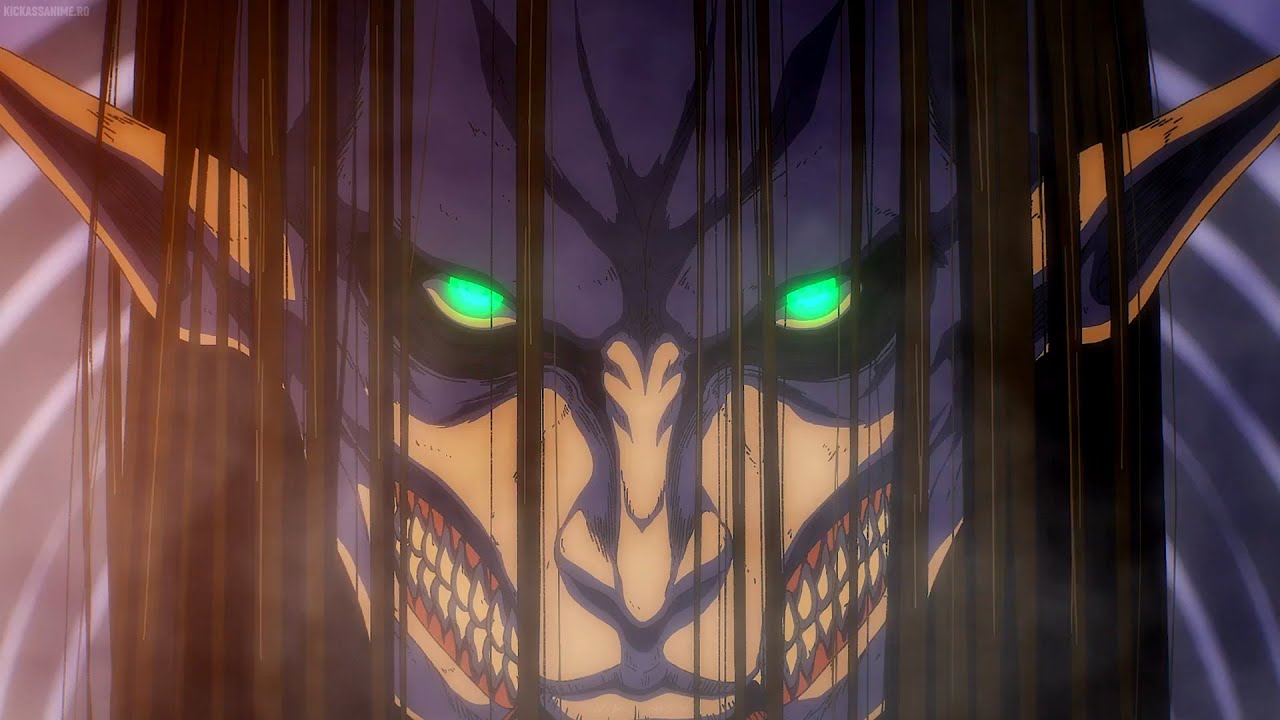
The Rumbling is far more than a spectacular display of destruction—it represents the culmination of the series’ central themes.
After obtaining the Founding Titan’s power, Eren unleashes the countless Colossal Titans hidden within Paradis Island’s walls. His stated goal is to eliminate every external threat to ensure the survival of his friends and homeland.
This decision forces viewers into an impossible moral dilemma. Can genocide ever be justified if it prevents another genocide?
Attack on Titan intentionally refuses to simplify this question. Every faction believes it is fighting for justice, and every side has experienced unimaginable suffering. Rather than offering easy heroes and villains, the story highlights how fear, hatred, and revenge perpetuate an endless cycle of violence. This philosophical depth is one of the reasons the series continues to be studied and discussed years after its finale.
Why the Ending Divided Fans
Very few anime endings generate discussion years after their release. Attack on Titan is one of those rare exceptions.
Some viewers praised Hajime Isayama for refusing to deliver a predictable, happy ending. Others felt certain character arcs deserved different conclusions. The debate largely centers on Eren’s motivations, Mikasa’s final decision, and the ultimate message about humanity’s future.
Yet perhaps that’s precisely why the ending succeeds. Rather than providing every answer, it encourages audiences to revisit earlier episodes, reconsider character motivations, and interpret the story through their own perspectives. The best works of fiction rarely end the conversation—they begin it. Attack on Titan accomplished exactly that.
Hidden Details You May Have Missed
One reason fans continue rewatching the series is the incredible amount of foreshadowing hidden throughout earlier seasons. Some examples include:
- Eren’s dreams in Episode 1 subtly foreshadow events revealed years later.
- The basement mystery becomes the key to understanding the entire world.
- Numerous conversations contain hints about the Paths long before they are explained.
- Character expressions often reveal motivations only understood during a second viewing.
- Symbolic birds repeatedly represent freedom and hope throughout the series.
Final Verdict
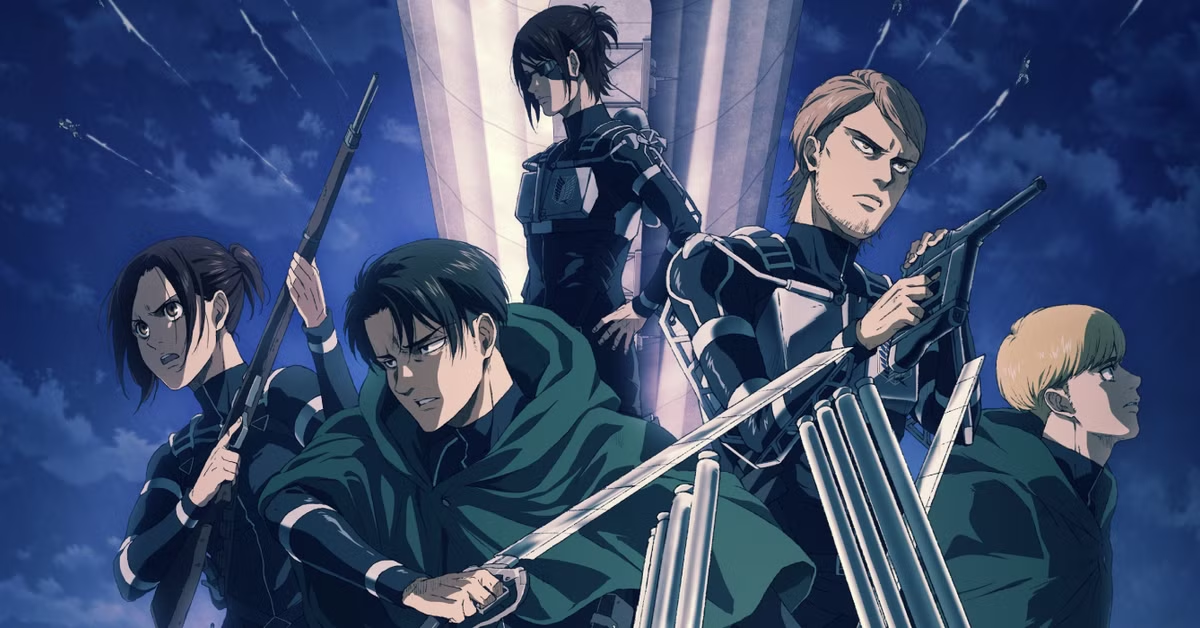
Very few anime leave a legacy that extends beyond entertainment. Attack on Titan is one of them. It challenged viewers emotionally, philosophically, and morally while delivering unforgettable action, outstanding animation, and some of the most complex characters ever created.
Whether you loved every aspect of the finale or still question Eren’s decisions, one thing is undeniable: Attack on Titan changed anime forever. Years after its conclusion, it remains one of the first recommendations for anyone looking to experience mature storytelling through animation.
Rating: 9.8/10
Key Takeaways
- Attack on Titan evolved from a survival story into a philosophical masterpiece.
- Eren Yeager remains one of anime’s most debated protagonists.
- MAPPA delivered cinematic animation worthy of the franchise.
- The Rumbling explored difficult questions about freedom and morality.
- Hidden foreshadowing makes the series incredibly rewarding to rewatch.
- The ending continues to inspire discussion across the global anime community.
Frequently Asked Questions
Is Attack on Titan Final Season worth watching in 2026?
Absolutely. It remains one of the highest-rated anime conclusions ever produced and is essential viewing for fans of action, mystery, and psychological storytelling.
Why did Eren start the Rumbling?
Eren believed the Rumbling was the only way to protect Paradis Island and guarantee the future of his friends, though his motivations remain intentionally complex.
Did MAPPA ruin Attack on Titan?
No. While the studio initially faced criticism after replacing Wit Studio, many fans now praise MAPPA’s cinematic animation and faithful adaptation of the manga’s final chapters.
Is the ending different from the manga?
The anime closely follows Hajime Isayama’s original ending while improving pacing and emotional presentation in several scenes.
Who animated Attack on Titan Final Season?
Studio MAPPA animated the Final Season, succeeding Wit Studio after Season 3.
Can new anime fans start with Attack on Titan?
Yes. Despite its complexity, Attack on Titan remains one of the best gateway anime thanks to its gripping story, memorable characters, and outstanding production quality.
Where can I watch Attack on Titan legally?
The complete series is available on major streaming platforms such as Crunchyroll, Hulu, and Netflix in select regions.